by Mondraye Meneses | Oct 19, 2026 | Trauma Education
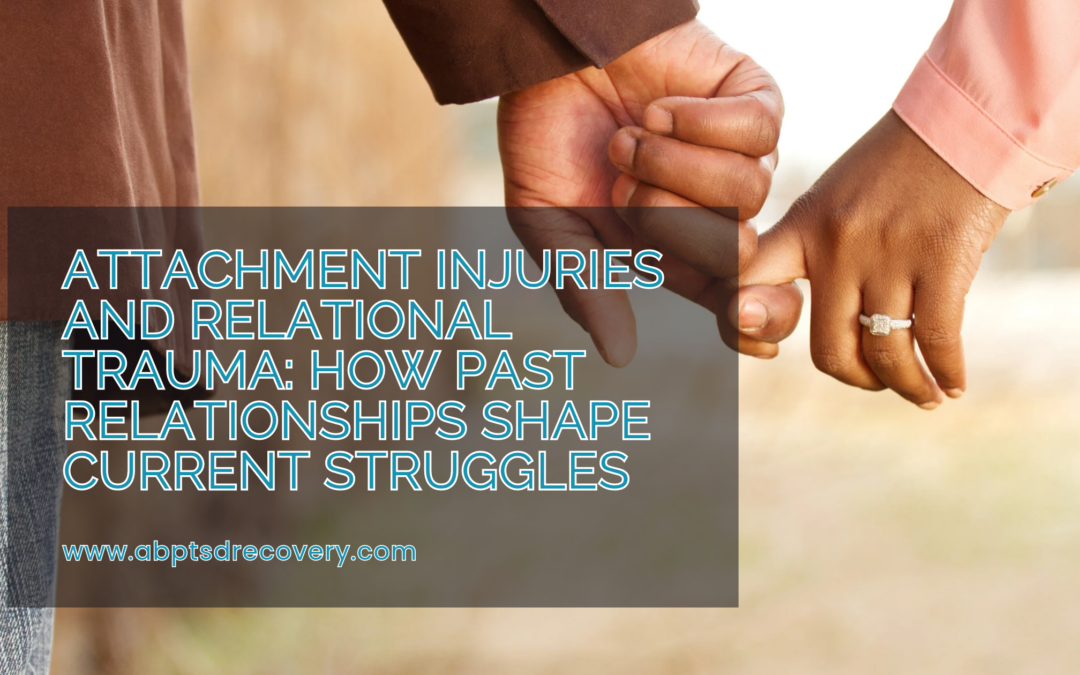
Attachment Injuries and Relational Trauma: Why Can Relationships Feel Difficult Even When You Want to Feel Close? You may want a close, loving relationship and still find yourself waiting for something to go wrong. Perhaps a delayed text message leaves you wondering...

by Mondraye Meneses | Oct 8, 2026 | EMDR Therapy
EMDR Myths Debunked: What You Probably Got Wrong About EMDR If you’ve never experienced EMDR, it can sound a little strange. You sit with a therapist. You think about something difficult. And then you follow their fingers with your eyes, or use another form of...
by Mondraye Meneses | Oct 5, 2026 | Uncategorized
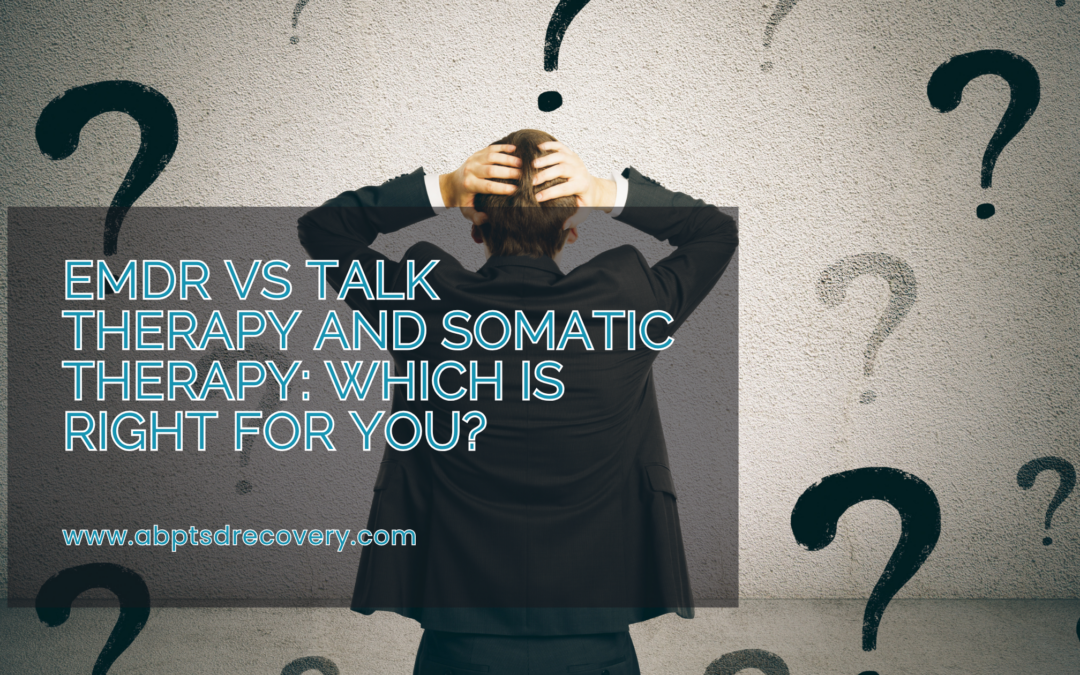
If you’ve been looking for trauma therapy, you’ve probably noticed that there are a lot of different approaches. EMDR. Talk therapy. Somatic therapy. CBT. Trauma-focused therapy. And if you’re already overwhelmed, having to figure out which one you...
by Mondraye Meneses | Oct 1, 2026 | Trauma Education, Uncategorized
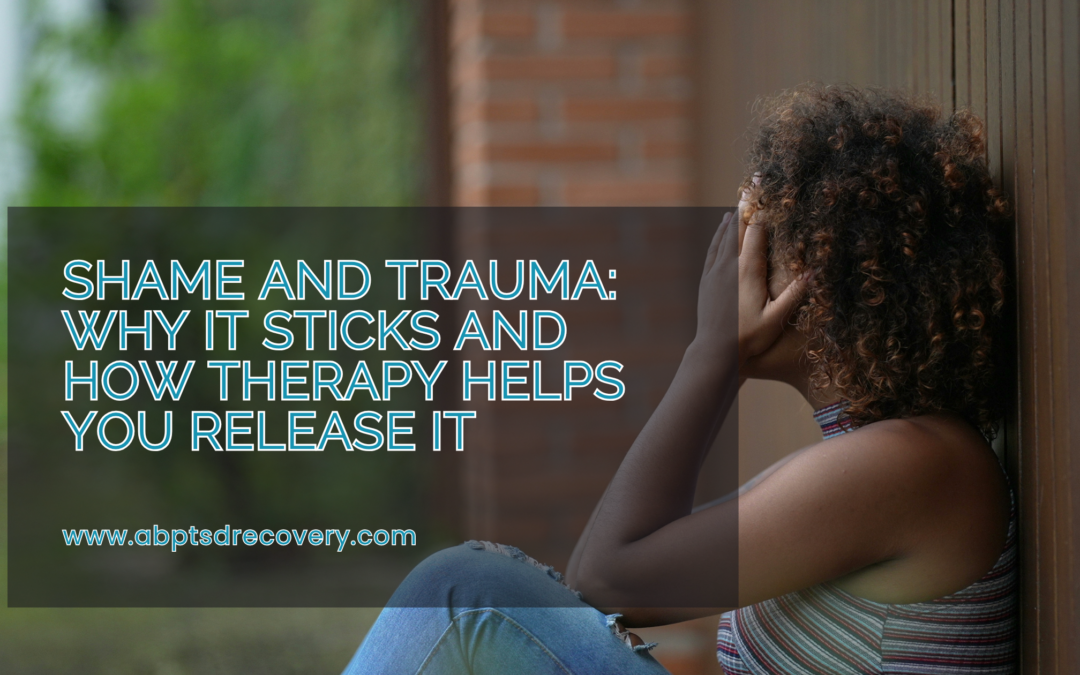
Sometimes shame and trauma doesn’t sound like, “I did something wrong.” It sounds like: “There must be something wrong with me.” “I should have known better.” “Why did I let that happen?” “If people really knew me, they wouldn’t want me around.” After...

by Mondraye Meneses | Sep 22, 2026 | Trauma Education
Trauma and sleep can become a frustrating cycle. You’re exhausted, but you can’t fall asleep. You finally doze off, then wake up at 2 a.m. wide awake. You check the door. Listen for sounds. Look at your phone. Maybe you get up for a while because being in...
by Mondraye Meneses | Sep 18, 2026 | Uncategorized
Searching for a trauma therapy in Alberta can feel surprisingly overwhelming. You might know that something isn’t working anymore. Maybe you’re dealing with anxiety, intrusive memories, relationship patterns, emotional shutdown, hypervigilance, or the...

by Mondraye Meneses | Sep 10, 2026 | Nervous System Healing
You’ve Tried Everything and You’re Still Falling Apart You’ve seen the advice everywhere: when you’re in a panic state or triggered, name five things you see, four things you feel, three things you hear. It’s called the 5-4-3-2-1...

by Mondraye Meneses | Sep 8, 2026 | Nervous System Healing
Body Signals After Trauma: Your Body Knows Something Your Mind Can’t Quite Name You notice your shoulders are permanently up by your ears. Your jaw is so clenched that your dentist commented on it at your last appointment. Your neck is tight. Your chest feels...
by Mondraye Meneses | Sep 4, 2026 | Trauma Education, Uncategorized
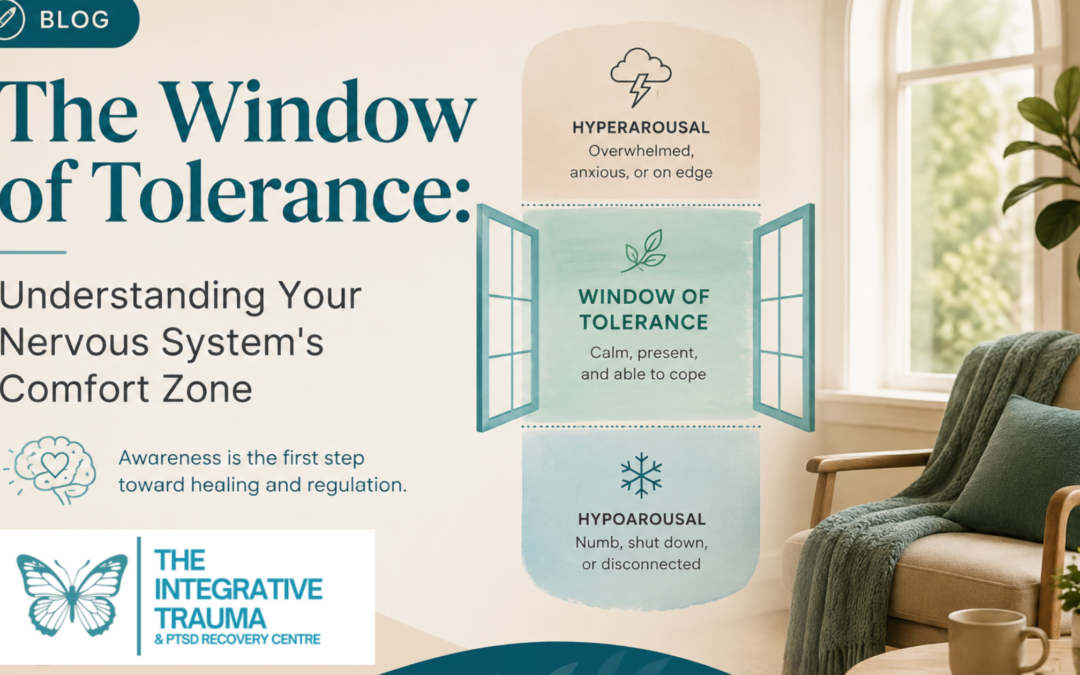
Have You Noticed Your Reactions Don’t Always Match the Moment? You’re at the grocery store and someone taps your shoulder to ask where the milk is. Your heart jumps into your throat. A car alarm goes off down the street and you feel like your body’s...

by Mondraye Meneses | Aug 25, 2026 | Trauma Education, Uncategorized
EMDR Intensive Edmonton: A Faster Path to Trauma Recovery If you’ve been thinking about doing trauma work but dreading the idea of weekly therapy for the next two years, you’re not alone. A lot of people reach out asking the same thing: “Is there a...