
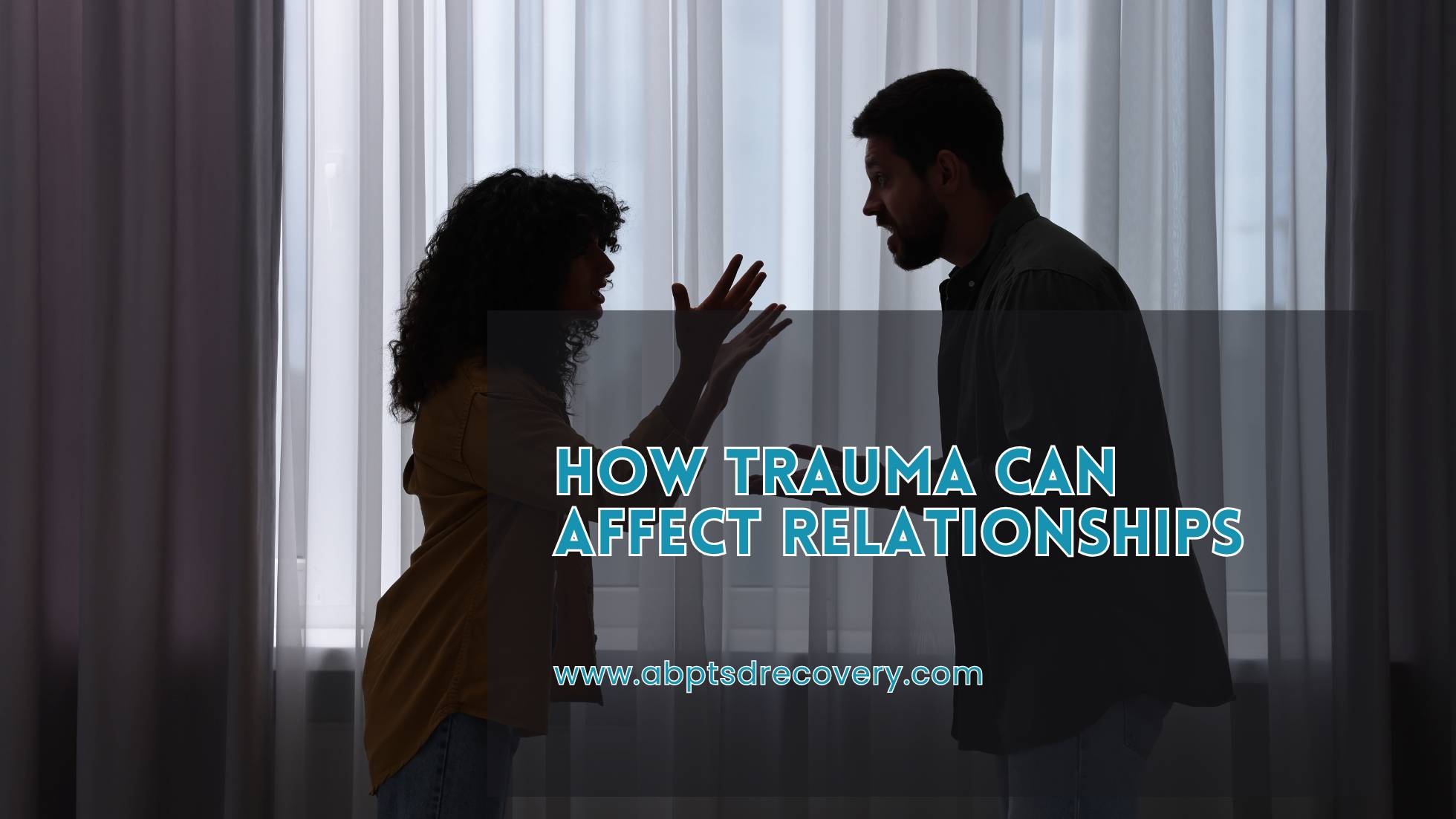
How Trauma Can Affect Relationships
Many people notice that their deepest struggles after trauma show up in relationships. You may crave connection while also feeling overwhelmed by closeness. You may pull away, become reactive, or struggle to trust even when part of you wants to feel close.
These patterns are not signs that you are bad at relationships. They are nervous system responses shaped by past experiences. Understanding how trauma affects connection can bring clarity, compassion, and hope for change.
Trauma and the Need for Safety
At its core, trauma is about safety. When safety has been disrupted, especially within relationships, the nervous system becomes vigilant. It begins scanning for subtle cues of threat or rejection.
In relationships, this may look like:
• Fear of abandonment or rejection
• Difficulty trusting a partner’s intentions
• Strong emotional reactions during conflict
• Emotional withdrawal or shutdown
• Heightened sensitivity to tone, distance, or silence
The nervous system is constantly asking, “Am I safe here?” When past relationships involved unpredictability, neglect, betrayal, or harm, the body may respond quickly to protect you.
These reactions are automatic. They are not character flaws.
Attachment and Trauma
Many relational trauma patterns are rooted in early attachment experiences. When caregivers or important partners were inconsistent, unavailable, or unsafe, the nervous system adapted in order to survive.
These adaptations may include:
• Becoming overly independent and self reliant
• Seeking constant reassurance
• Avoiding vulnerability
• Feeling responsible for other people’s emotions
• Prioritizing others’ needs over your own
At one time, these strategies may have helped you maintain connection or reduce harm. They were intelligent responses to your environment.
Over time, however, they can feel exhausting or limiting. You might notice repeating patterns in adult relationships and wonder why they keep happening.
Why Closeness Can Feel Overwhelming
For trauma survivors, intimacy can activate both longing and fear at the same time. A part of you may deeply desire connection. Another part may brace for disappointment, rejection, or harm.
Even when a current relationship is healthy, the nervous system may respond as if the past is repeating. This can lead to:
• Emotional flooding during disagreements
• Difficulty expressing needs clearly
• Feeling misunderstood or unseen
• Pulling away after moments of closeness
• Becoming anxious when connection feels strong
These reactions are not intentional attempts to sabotage relationships. They are protective responses shaped by earlier experiences.
When closeness once carried risk, the body may interpret intimacy as something to approach cautiously.
Communication Challenges After Trauma
Trauma can affect how people communicate needs and boundaries. When the nervous system becomes activated, the thinking part of the brain may temporarily go offline. Words can feel hard to access.
This may result in:
• Shutting down during conversations
• Becoming defensive or reactive
• Struggling to name emotions
• Avoiding difficult topics
• Saying things you later regret
Afterward, shame can set in. You might think, “Why did I react that way?” or “Why couldn’t I just say what I needed?”
Trauma informed support recognizes that communication challenges are often regulation challenges. When the body feels safer, communication tends to improve.
How Healing Supports Healthier Relationships
Healing trauma does not mean becoming perfect in relationships. It means developing awareness and capacity.
Trauma informed therapy can help individuals:
• Recognize relational triggers
• Understand nervous system responses
• Regulate emotional intensity
• Build tolerance for closeness
• Practice boundaries without guilt
• Strengthen self trust
As internal safety increases, connection often feels less threatening. You may notice more space between a trigger and your reaction. You may find it easier to pause, reflect, and respond rather than react.
Healing also involves self compassion. Instead of criticizing yourself for protective patterns, you begin to understand why they formed.
Relationships can become places of growth rather than reenactment.
Meet Dr. Candace Hamilton, PsyD
 Dr. Candace Hamilton, PsyD, is the Owner and Clinical Director of The Integrative Trauma & PTSD Recovery Center. She specializes in complex trauma, relational trauma, dissociation, and attachment based treatment for adults.
Dr. Hamilton understands that trauma often lives in the relational space. Many clients come to therapy feeling confused about why connection feels so difficult. Her work focuses on helping individuals gently explore the origins of relational patterns while building nervous system regulation and internal safety.
As an EMDR Consultant, she integrates trauma informed and EMDR informed approaches in a way that emphasizes pacing, consent, and thoughtful target selection. Her goal is not to “fix” clients, but to help them reconnect with themselves in a way that feels steady and sustainable.
She is passionate about supporting both clients and clinicians in developing clarity, confidence, and compassion in trauma focused work.
👉Click Here to Learn More About Dr. Candace Hamilton, PsyD
About The Integrative Trauma & PTSD Recovery Center
The Integrative Trauma & PTSD Recovery Center is a trauma focused psychology practice specializing in PTSD, complex trauma, and EMDR therapy. We offer services for individuals, couples, children, and families, as well as training and consultation for clinicians.
Our approach emphasizes safety, collaboration, and nervous system informed care. If trauma is affecting your relationships, you do not have to navigate it alone.
You are welcome to book a free 15 minute consultation when and if it feels right for you.
Complex Trauma Versus PTSD: Understanding the Difference
Complex Trauma and PTSD: Understanding the Differences Many people are familiar with Post Traumatic Stress Disorder, yet fewer understand complex trauma. While PTSD and complex trauma can share overlapping symptoms, they often develop in different ways and may require...
Pacing EMDR with Complex Trauma
One of the most nuanced clinical skills in EMDR work is pacing. This is especially true when working with complex trauma, attachment injuries, and dissociative adaptations. Many therapists are well trained in the phases of EMDR, yet still find themselves questioning...
Treating Complex PTSD With EMDR: Why Clustering and Target Selection Matter
Complex PTSD often develops in response to repeated or prolonged experiences of threat, neglect, or relational harm. Rather than a single overwhelming event, many individuals carry layered memories that can influence emotions, beliefs about self, relationship...