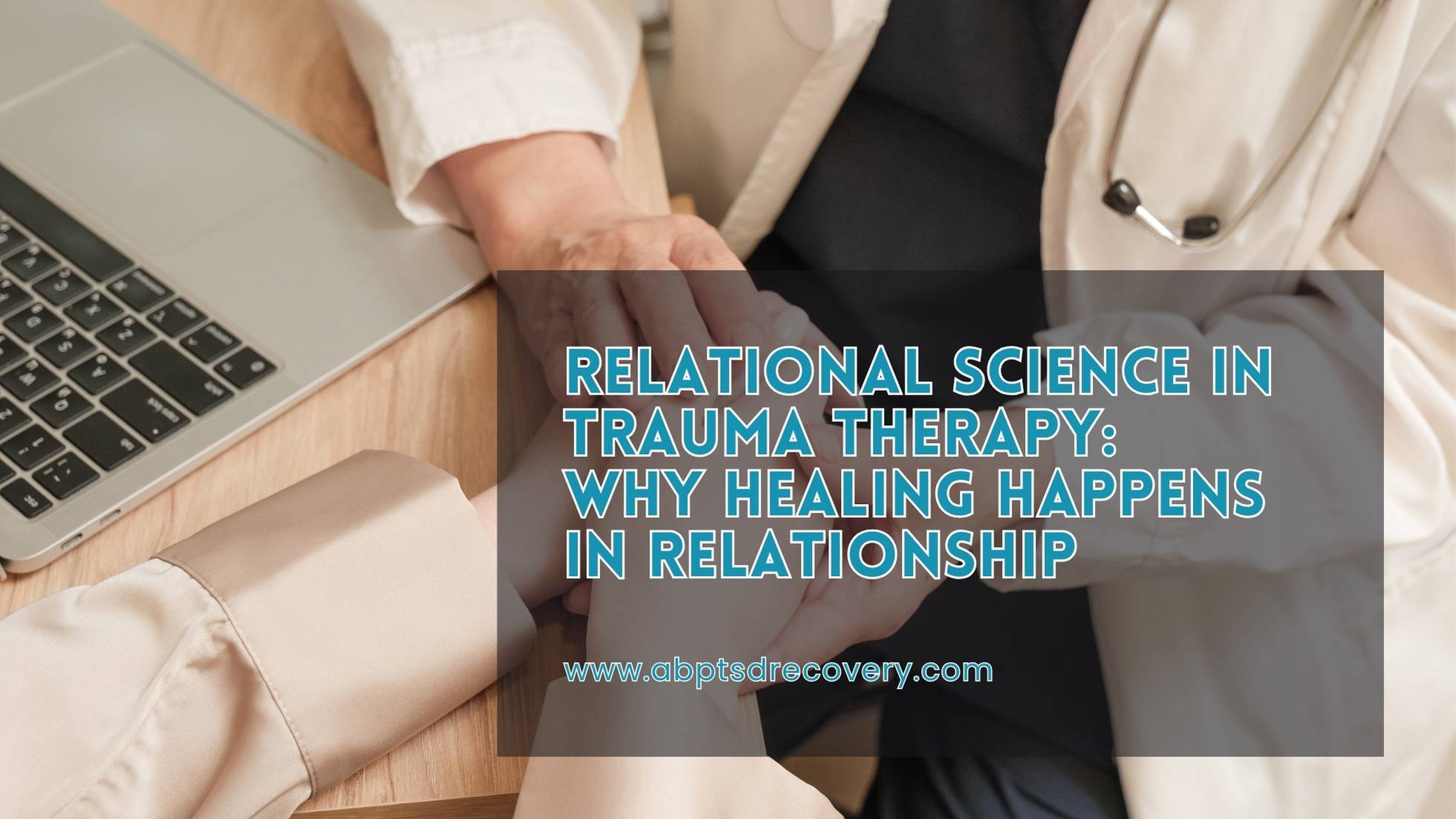
Relational Science in Trauma Therapy: Why Healing Happens in Relationship
For much of modern psychology, the focus has been on the individual. Individual symptoms. Individual thoughts. Individual behaviors. While this perspective has offered helpful insight, it does not tell the whole story.
Relational Science in Trauma Therapy offers a broader and more humane understanding of what it means to be human. We are shaped in a relationship. We are wounded in a relationship. And we often heal in relationships.
Relational science is an interdisciplinary field that studies how human relationships influence emotional development, identity, nervous system regulation, physical health, and psychological well being across the lifespan. At its core is a simple but profound truth. Connection is not a luxury. It is a biological and psychological necessity.
Relational Science in Trauma Therapy: Humans Are Wired for Connection
From the moment we are born, our brains develop in response to relational experiences. Caregivers help regulate our emotions, soothe distress, and provide safety long before we can do these things on our own.
Over time, repeated relational experiences shape how we:
- Understand ourselves
- Experience safety or threat
- Regulate emotions
- Relate to others
Relational Science in Trauma Therapy challenges the myth of the fully independent self. Instead, it emphasizes that the self is co created through attachment relationships, cultural context, and interpersonal experiences.
We do not develop in isolation. Our nervous systems learn from connection.
Relational Science in Trauma Therapy and the Nervous System
One of the most important contributions of Relational Science in Trauma Therapy is its integration with neuroscience. Our nervous systems are not isolated systems. They are relationally responsive.
Safe and attuned relationships support:
- Nervous system regulation
- Emotional resilience
- Capacity for trust and intimacy
Conversely, chronic relational stress such as neglect, emotional unavailability, abuse, or abandonment can leave the nervous system in patterns of hypervigilance, shutdown, or emotional overwhelm.
What often gets labeled as symptoms can be understood as adaptations to unsafe or unpredictable relationships.
This perspective brings compassion to experiences that may otherwise feel confusing or self critical.
Relational Trauma Through the Lens of Relational Science in Trauma Therapy
From the perspective of Relational Science in Trauma Therapy, many trauma related patterns make sense.
Difficulty trusting.
Fear of closeness.
People pleasing.
Emotional numbing.
Intense reactions to perceived rejection.
These are not signs of weakness. They are relational survival strategies learned in environments where connection felt uncertain, inconsistent, or unsafe.
This reframing shifts the question from, What is wrong with you, to What happened in your relationships, and how did you adapt?
That shift alone can be deeply relieving.
Relational Science in Trauma Therapy: Why Healing Requires Relational Safety
Because many psychological wounds occur in relationships, healing rarely happens through insight alone.
Relational Science in Trauma Therapy emphasizes that repair also happens in relationship.
Healing is supported through experiences such as:
- A safe and consistent therapeutic relationship
- Attunement and emotional presence
- Rupture and repair
- Being seen, believed, and responded to
In trauma therapy, the therapist is not simply applying techniques. The therapeutic relationship itself becomes a regulating and corrective experience.
Over time, new relational experiences can help the nervous system learn that connection can feel steady and safe.
Why Relational Science in Trauma Therapy Matters for Complex Trauma
Relational Science in Trauma Therapy is especially meaningful for individuals living with complex trauma and attachment wounds. It helps us understand that:
- Symptoms are meaningful responses, not defects to eliminate
- Healing is not about extreme independence, but about secure connection
- Change happens gradually through repeated experiences of safety and care
This perspective aligns closely with attachment focused therapies, EMDR informed approaches, and trauma informed care that recognize the central role of relationship in both injury and recovery.
Dr. Candace Hamilton’s Approach to Relational Science in Trauma Therapy
 At The Integrative Trauma & PTSD Recovery Center, Relational Science in Trauma Therapy is not simply a theory. It informs how we practice every day.
Dr. Candace Hamilton, PsyD, Owner and Clinical Director, works from a relational and attachment informed lens. She understands that trauma therapy is not only about technique. It is about attunement, pacing, and the quality of the therapeutic relationship.
Her work integrates relational science, attachment based therapy, the Adaptive Information Processing model, and transpersonal psychology. In sessions, this often means moving thoughtfully and collaboratively, paying close attention to nervous system readiness, especially when working with complex trauma, developmental trauma, and relational wounds.
Dr. Candace believes effective trauma therapy requires both structure and flexibility. It involves knowing when to gently deepen processing and when to slow down and strengthen safety. Within Relational Science in Trauma Therapy, the relationship itself becomes central to healing.
This approach reflects our core belief. People heal best in environments where they feel seen, respected, and emotionally safe.
👉Click Here to Learn More About Dr. Candace Hamilton, PsyD
A Gentle Reframing Through Relational Science in Trauma Therapy
Relational Science in Trauma Therapy invites a powerful shift:
You are not broken.
Your nervous system learned what it needed to survive.
With safety, support, and relationship, it can learn something new.
Final Thoughts on Relational Science in Trauma Therapy
Relational Science in Trauma Therapy reminds us that healing is not a solo process. We grow in connection. We hurt in connection. We often heal in connection.
When therapy centers relationship, dignity, and attunement, it honors the very way humans are wired to recover.
About The Integrative Trauma & PTSD Recovery Center
The Integrative Trauma & PTSD Recovery Center is a trauma focused psychology practice specializing in PTSD, complex trauma, and EMDR therapy.
We offer services for individuals, couples, children, and families in a trauma informed and consent centered environment. Our work emphasizes relational safety, thoughtful pacing, and respect for each person’s unique story.
If you would like to explore therapy options, we offer a free 15 minute consultation. You are welcome to reach out when and if it feels right for you.
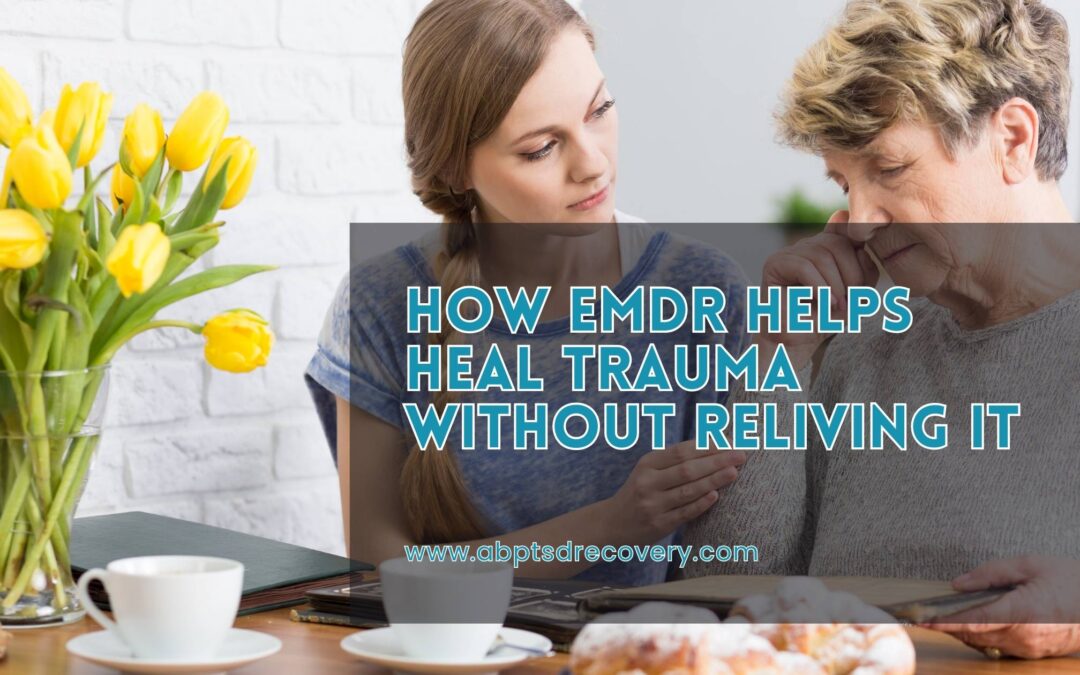
How EMDR Helps Heal Trauma Without Reliving It
One of the most common concerns people have about trauma therapy is the fear of being overwhelmed by past experiences. Many worry that healing requires reliving painful memories in detail. EMDR therapy offers a different path. It is a trauma informed approach that...
No Results Found
The page you requested could not be found. Try refining your search, or use the navigation above to locate the post.
No Results Found
The page you requested could not be found. Try refining your search, or use the navigation above to locate the post.