
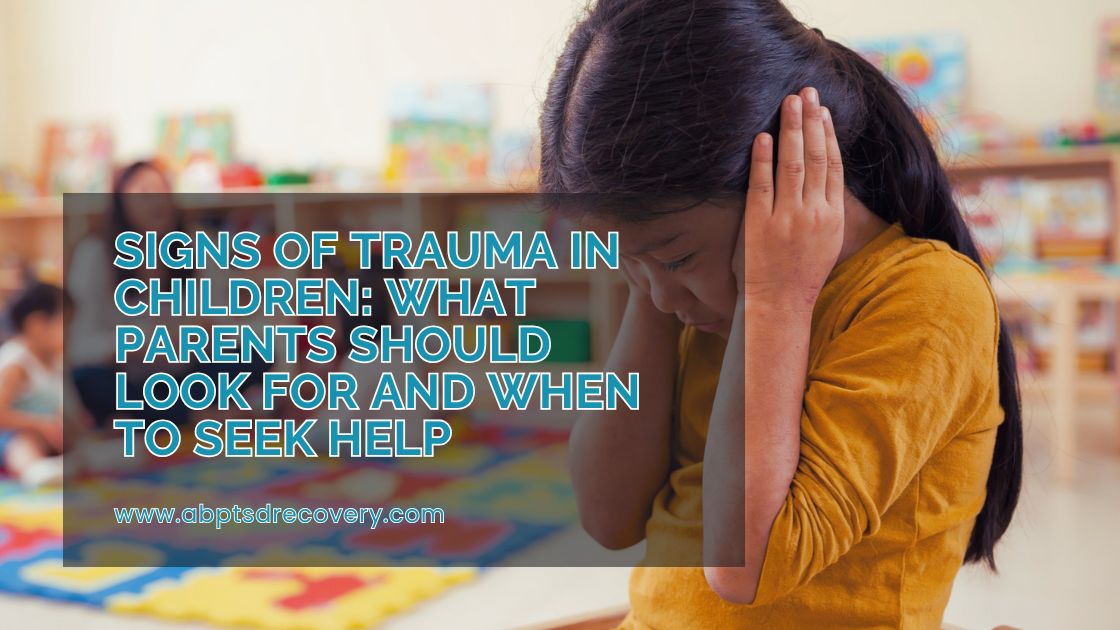
Children experience the world differently from adults. When something frightening, overwhelming, or deeply upsetting happens, they may not have the words to explain what they are feeling. Instead, their experiences may show up through changes in behaviour, emotions, sleep, relationships, or everyday routines.
As a parent or caregiver, you might notice that your child has become more anxious, easily frustrated, withdrawn, unusually clingy, or more sensitive to situations that did not bother them before.
These changes can be confusing, especially when you are unsure what is causing them.
Understanding the signs of trauma in children can help you recognize when your child may need additional support. It can also help you respond with patience, reassurance, and curiosity rather than interpreting every difficult behaviour as disobedience or defiance.
In this article, we explore common childhood trauma symptoms, how trauma may affect children at different developmental stages, and when professional support may be helpful.
What Is Childhood Trauma?
Childhood trauma refers to experiences or situations that overwhelm a child’s ability to cope and leave them feeling frightened, unsafe, helpless, or deeply distressed.
Traumatic experiences can take many forms. They may include:
- Physical, emotional, or sexual abuse.
- Neglect or the absence of consistent caregiving.
- Witnessing violence or conflict at home.
- Bullying or repeated experiences of intimidation.
- Serious accidents, injuries, or medical emergencies.
- The unexpected death of a loved one.
- Natural disasters or other frightening events.
- Sudden separation from an important caregiver.
- Exposure to ongoing instability or threatening environments.
Not every stressful or difficult experience will lead to lasting trauma symptoms. Children respond differently depending on their age, developmental stage, previous experiences, available support, and the meaning they make of what happened.
A child does not always need to experience an event directly to be affected. Witnessing something frightening or learning that someone they love has been seriously hurt can also be distressing.
The National Child Traumatic Stress Network explains that traumatic stress can affect children’s emotional regulation, behaviour, relationships, development, and ability to function in everyday life.
10 Common Signs of Trauma in Children
Trauma does not look the same in every child. Some children become more visibly emotional, while others appear quiet, withdrawn, or unusually independent.
Here are ten signs parents and caregivers may notice.
1. Sudden Changes in Behaviour
One of the first signs parents may notice is a change in how their child behaves.
A child who was previously cheerful and outgoing may become irritable, argumentative, or withdrawn. Another child may begin having more frequent tantrums, become unusually defiant, or struggle with situations they previously managed well.
These changes may reflect difficulty managing overwhelming emotions rather than an intentional attempt to misbehave.
2. Increased Anxiety, Fear, or Clinginess
Some children become more anxious after a frightening or overwhelming experience.
You may notice that your child:
- Becomes distressed when separated from you.
- Constantly asks whether something bad will happen.
- Becomes afraid of sleeping alone.
- Avoids unfamiliar places or people.
- Needs frequent reassurance that they are safe.
For younger children, this may look like increased clinginess or difficulty being apart from a parent or caregiver.
3. Sleep Problems and Nightmares
Changes in sleep can be another sign of childhood trauma symptoms.
Your child may have difficulty falling asleep, wake frequently during the night, experience nightmares, or resist bedtime.
Some children may also become afraid of the dark or insist that someone stays with them until they fall asleep.
Sleep difficulties can have many causes, but persistent changes following a distressing experience are worth paying attention to.
4. Emotional Outbursts and Difficulty Regulating Feelings
A child experiencing trauma-related distress may have difficulty managing strong emotions.
Small frustrations may lead to intense reactions. Your child may cry easily, become angry quickly, or have difficulty calming down after becoming upset.
Sometimes, these reactions seem disproportionate to what is happening in the moment.
This does not necessarily mean your child is being difficult. They may be experiencing emotions that feel too big or confusing to manage on their own.
5. Withdrawal From Family, Friends, or Activities
Some children respond to overwhelming experiences by becoming quieter and less socially engaged.
You might notice that your child:
- Stops participating in activities they once enjoyed.
- Spends more time alone.
- Becomes less interested in playing with friends.
- Avoids conversations or family interactions.
- Seems emotionally distant or disconnected.
Not every quiet child is experiencing trauma. However, a noticeable change from your child’s usual personality and social behaviour deserves attention.
6. Regression in Previously Learned Behaviours
Younger children may return to behaviours they had already outgrown when experiencing stress or emotional distress.
Examples include:
- Bedwetting or toileting accidents.
- Returning to baby talk.
- Increased thumb-sucking.
- Wanting to be carried more frequently.
- Difficulty separating from caregivers.
- Becoming more dependent on adults for everyday tasks.
Regression can be a child’s way of seeking comfort and security during a difficult period.
Rather than becoming frustrated, try to understand what your child may be communicating through these changes.
7. Physical Complaints Without an Obvious Explanation
Emotional distress can sometimes appear through physical complaints.
Some children may frequently report stomachaches, headaches, nausea, or feeling unwell, particularly when facing situations that make them anxious.
These symptoms should never automatically be attributed to trauma. Physical health concerns deserve appropriate medical attention.
However, when physical complaints occur alongside emotional or behavioural changes, it may be helpful to consider whether stress is contributing.
8. Increased Sensitivity to Sounds, Touch, or Certain Situations
A child who has experienced something frightening may become more sensitive to reminders of that experience.
For example, they might:
- Become startled by loud noises.
- React strongly to sudden movements.
- Become uncomfortable with certain types of physical contact.
- Avoid particular places or situations.
- Become distressed by reminders of something that happened.
These reactions can be particularly confusing when parents do not understand why an otherwise ordinary situation causes such a strong response.
9. Repetitive Play or Repeated Conversations About an Event
Children sometimes use play to communicate experiences they cannot yet explain through words.
You may notice your child repeatedly acting out similar situations, drawing particular scenes, or asking the same questions about something that happened.
For example, a child who witnessed a frightening event may repeatedly include similar themes in their pretend play.
Repetitive play alone does not establish that a child has experienced trauma. However, when it is persistent, distressing, or accompanied by other changes, it may be worth discussing with a qualified professional.
10. Difficulty Concentrating or Changes at School
Trauma-related stress can affect a child’s ability to focus, learn, and participate in everyday activities.
Teachers may notice that a child:
- Has difficulty concentrating.
- Becomes easily distracted.
- Has more conflicts with classmates.
- Avoids school or certain activities.
- Experiences changes in academic performance.
- Appears restless, anxious, or disengaged.
Sometimes, these behaviours may be mistaken for attention or behavioural difficulties. A broader understanding of the child’s experiences and developmental needs can help identify the support they need.
How Trauma Symptoms May Look at Different Ages
Children do not always express distress in the same way. Their developmental stage influences how they understand experiences and communicate their feelings.
Babies and toddlers
Younger children may not have the language to explain what is upsetting them. Instead, parents may notice increased crying, difficulty settling, changes in feeding or sleeping, clinginess, or a loss of previously acquired skills.
Preschool-aged children
Preschoolers may become more fearful, experience nightmares, struggle with separation, return to earlier behaviours, or repeatedly express distress through pretend play.
School-aged children
Older children may show increased anxiety, irritability, difficulty concentrating, withdrawal from friends, academic changes, or persistent worries about their safety.
Teenagers
Adolescents may become socially withdrawn, experience changes in mood, struggle with relationships, engage in risky behaviours, or have difficulty managing intense emotions.
These are possible patterns, not a checklist for diagnosing trauma. Every child has their own way of communicating distress, and symptoms may overlap with other developmental, emotional, or mental health concerns.
Why Children Sometimes Express Trauma Through Behaviour
One of the most difficult parts of recognizing trauma is understanding that children may not always be able to explain what is happening internally.
A young child may not say, “I feel unsafe,” or “Something that happened is still upsetting me.”
Instead, they may cry when separated from you, become angry during transitions, refuse to participate in activities, or struggle to settle at bedtime.
Their behaviour may be communicating a need for reassurance, connection, predictability, or additional support.
This does not mean every tantrum, emotional outburst, or difficult behaviour is caused by trauma. Children experience frustration and developmental challenges for many reasons.
However, looking beyond the behaviour and considering what your child might be experiencing can help you respond more effectively.
Instead of asking only, “How do I stop this behaviour?” you might also consider, “What could my child be communicating, and what support might they need right now?”
What Parents Can Do to Support a Child Experiencing Trauma
Parents and caregivers play an important role in helping children feel supported after difficult experiences.
You do not need to have all the answers. Consistent, compassionate responses can make a meaningful difference.
Here are some ways to support your child.
1. Create a sense of safety and predictability
Children often benefit from knowing what to expect. Maintaining familiar routines around meals, bedtime, school, and family activities can help provide a sense of stability.
2. Listen without pressuring them to talk
Let your child know they can talk to you when they feel ready. Avoid repeatedly questioning them or pressuring them to explain what happened.
You can offer simple reassurance, such as, “I’m here with you,” or “You can tell me if something is bothering you.”
3. Validate their feelings
Try not to dismiss their fears or reactions, even when they seem small from an adult perspective.
Instead of saying, “There’s nothing to be scared of,” you might say, “I can see that this feels frightening for you. I’m here to help.”
4. Pay attention to changes and patterns
Notice when your child’s behaviour changes, what situations seem difficult, and whether the changes affect their sleep, relationships, school, or daily routines.
Sharing these observations with a healthcare or mental health professional can help provide a clearer understanding of your child’s needs.
5. Avoid punishment for emotional distress
When possible, respond to difficult behaviour with calm boundaries, reassurance, and curiosity.
Children still need appropriate limits and guidance, but shame, intimidation, or harsh punishment may make it harder for them to communicate what they are experiencing.
6. Consider professional support
If your child’s distress persists, becomes more intense, or begins interfering with everyday life, speaking with a qualified professional can help you understand what is happening and explore appropriate support.
You do not have to wait until things become overwhelming before asking for help.
When Should Parents Seek Professional Help?
It can be difficult to know whether a child’s behaviour is part of normal development or a sign that additional support is needed.
Consider seeking professional guidance if you notice:
- Ongoing changes in your child’s mood or behaviour.
- Persistent nightmares or significant sleep difficulties.
- Increased anxiety, fear, or separation distress.
- Withdrawal from family, friends, or activities.
- Difficulty managing emotions that affects everyday life.
- Changes in school participation or relationships.
- Behavioural changes that appear after a frightening or distressing experience.
- Symptoms that are becoming more intense or are not improving with support.
You can begin by speaking with your child’s family doctor or a qualified child mental health professional.
If your child talks about wanting to hurt themselves or someone else, or you are concerned about their immediate safety, seek urgent professional or emergency support.
Seeking help does not mean you have failed as a parent. It means you are taking your child’s emotional needs seriously.
How Trauma-Informed Child Therapy Can Help
Trauma-informed child therapy recognizes that a child’s behaviour, emotions, and relationships need to be understood within the context of their experiences, developmental stage, and individual needs.
Rather than focusing only on changing behaviour, a trauma-informed approach considers what may be contributing to the child’s distress and what might help them feel supported.
Depending on the child’s needs, therapy may involve:
- Helping children identify and communicate their emotions.
- Developing age-appropriate ways to manage overwhelming feelings.
- Strengthening a sense of safety and emotional connection.
- Supporting parents in understanding their child’s responses.
- Addressing difficulties affecting family relationships.
- Helping children and caregivers develop healthier ways of responding to stress.
Children and Family Therapy may also involve caregivers because a child’s emotional experiences are closely connected to their family environment and important relationships.
The approach should be tailored to the child’s age, developmental needs, circumstances, and readiness. Therapy is not about forcing children to talk about difficult experiences before they are ready.
Children and Family Therapy at The Integrative Trauma & PTSD Recovery Centre
At The Integrative Trauma & PTSD Recovery Centre, we recognize that trauma can affect more than one person. It can influence how children feel, communicate, relate to others, and experience their family relationships.
Our Children and Family Therapy services are intended to support children and families experiencing emotional and relational difficulties.
We understand that parents may feel uncertain about what their child is going through or how best to respond. Having a supportive therapeutic space can help families better understand these experiences and explore appropriate ways forward.
If you have noticed changes in your child’s behaviour, emotions, or relationships, you do not have to figure everything out on your own.
Our team is here to help you explore whether therapy may be a suitable next step for your family.
Book a free 15-minute consultation to discuss your concerns and learn more about our services.
Explore Children and Family Therapy
Frequently Asked Questions About Signs of Trauma in Children
1. What are the most common signs of trauma in children?
Common signs may include sleep disturbances, nightmares, increased anxiety, emotional outbursts, withdrawal, clinginess, regression in previously learned behaviours, difficulty concentrating, and changes in relationships or school performance.
However, not every child will display the same symptoms.
2. Can childhood trauma affect a child’s behaviour?
Yes. Trauma-related stress may contribute to changes in behaviour, including irritability, aggression, withdrawal, difficulty following routines, or increased emotional sensitivity.
These behaviours may reflect distress or difficulty managing emotions rather than deliberate misbehaviour.
3. Can a child experience trauma without talking about it?
Yes. Younger children, in particular, may not have the language or developmental ability to explain what they are feeling.
Their distress may instead appear through play, sleep disturbances, physical complaints, emotional reactions, or changes in behaviour.
4. Can childhood trauma symptoms appear later?
Yes. Some children may show reactions soon after an experience, while others may show changes later or when they encounter reminders of what happened.
A child’s responses can also change as they grow and develop.
5. Does every child who experiences trauma develop PTSD?
No. Experiencing a traumatic event does not automatically mean a child will develop post-traumatic stress disorder (PTSD).
Children respond differently, and many recover without developing long-term trauma-related difficulties. A professional assessment can help determine whether symptoms are related to trauma or another concern.
6. What is trauma-informed child therapy?
Trauma-informed child therapy considers how difficult experiences may affect a child’s emotions, behaviour, development, and relationships.
It emphasizes safety, understanding, collaboration, and age-appropriate support while respecting the child’s individual needs and readiness.
7. When should I consider Children and Family Therapy?
Consider professional support when emotional or behavioural changes persist, affect your child’s everyday life, or create difficulties within family relationships.
You do not need to wait for a formal diagnosis before seeking guidance.
A Final Word for Parents
When your child is struggling, it can be easy to focus on the behaviour you see. But sometimes, what looks like anger, withdrawal, clinginess, or defiance may be connected to feelings your child does not yet know how to express.
You do not need to have the perfect response every time. What matters is remaining curious about your child’s experience, offering reassurance, and being willing to seek support when needed.
Understanding the signs of trauma in children is a meaningful first step. With the right support, children and families can begin developing healthier ways to understand emotions, strengthen relationships, and move forward together.
About Dr. Candace Hamilton
 Dr. Candace Hamilton, Psy.D., is a Registered Psychologist, Founder and Clinical Director of The Integrative Trauma & PTSD Recovery Centre, and an EMDR Consultant.
Her clinical work focuses on complex PTSD, relational trauma, dissociation, and attachment-based treatment for adults.
Dr. Hamilton’s professional background includes EMDR, Attachment-Focused Trauma Therapy for Adults (AFTT-A), Flash EMDR, attachment and dissociation assessment and treatment, Cognitive Processing Therapy, Prolonged Exposure, and Internal Family Systems.
Her approach recognizes the importance of the therapeutic relationship, clinical attunement, thoughtful pacing, and individualized treatment when working with complex trauma.
Explore EMDR Consultation and Education With Candace
About The Integrative Trauma & PTSD Recovery Centre
The Integrative Trauma & PTSD Recovery Centre is a trauma-focused psychology practice in Edmonton, Alberta, specializing in PTSD, Complex PTSD, EMDR therapy, and relational trauma.
Our clinicians provide support for individuals, couples, children, and families through a collaborative and trauma-informed approach.
Our Services Include:
- Intensive Trauma Therapy
- Individual Therapy
- Couples Therapy
- Children and Family Therapy
- Group Therapy
- EMDR Therapy
- Training and Consultation for Clinicians
Service Areas
In-person therapy: Edmonton, Alberta.
Virtual therapy: Available to residents across Alberta.
Address: Unit 202A, 9129 35 Avenue NW, Edmonton, AB T6E 5Y1
Phone: (587) 415-8385
Email: info@abptsdrecovery.com
Website: https://abptsdrecovery.com/
If you are experiencing the effects of trauma and would like to explore your options, we invite you to schedule a free 15-minute consultation.
We believe support should feel accessible, collaborative, and respectful of your individual needs and timing.