
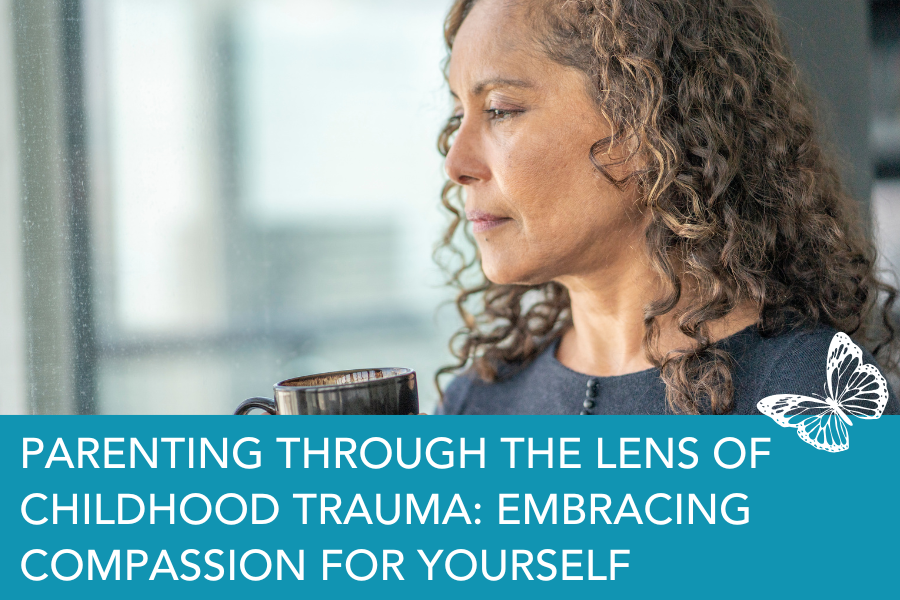
Parenting is challenging enough, but for parents who experienced trauma in their own childhood, it can be even more difficult. You may find yourself reacting in ways that surprise or upset you, feeling triggered by your child’s behavior, or struggling with feelings of inadequacy as a parent. These moments can stir up old wounds and leave you feeling overwhelmed.
It’s important to remember that your reactions are understandable. Trauma affects the way we cope with stress, and parenting can often bring those unhealed parts of ourselves to the surface. You are not alone in this, and you deserve compassion—both from yourself and from others.
Here’s how you can parent through the lens of compassion, empathy, and healing:
- Acknowledge Your Triggers Without Judgment: When your child’s actions trigger an emotional response, it’s not a sign that you’re failing as a parent. It’s a signal that old wounds are being touched. Give yourself permission to feel those emotions without labeling them as “bad.” Acknowledge them as part of your healing journey.
- Self-Compassion Is Key: Treat yourself with the kindness you would show your child. If you make mistakes or feel like you’re struggling, remember that every parent faces challenges. Instead of berating yourself for not handling a situation perfectly, remind yourself that you’re doing your best, and that’s enough.
- Recognize the Impact of Your Past Without Letting It Define You: Childhood trauma may shape some of your parenting patterns, but it doesn’t define who you are as a parent. You have the ability to choose different paths, to learn new skills, and to heal old wounds. This awareness is already a powerful step toward breaking unhealthy cycles.
- Focus on Repair, Not Perfection: Parenting isn’t about getting it right all the time—it’s about showing up and doing the work of repair when things go wrong. If you react in a way you’re not proud of, take a moment to breathe, then connect with your child. Apologize if needed, and use it as an opportunity to model resilience and emotional repair.
- Build a Support System: Healing while parenting can be an emotional process. Surround yourself with supportive people who understand your journey, whether through friends, family, or a support group. Talking with others who’ve had similar experiences can reduce feelings of isolation and help you feel more grounded.
Parenting with the weight of your own trauma can feel overwhelming at times, but it also offers an opportunity for healing. By acknowledging your triggers, practicing self-compassion, and showing up for your child with an open heart, you’re creating a path for both you and your child to grow in love and understanding.