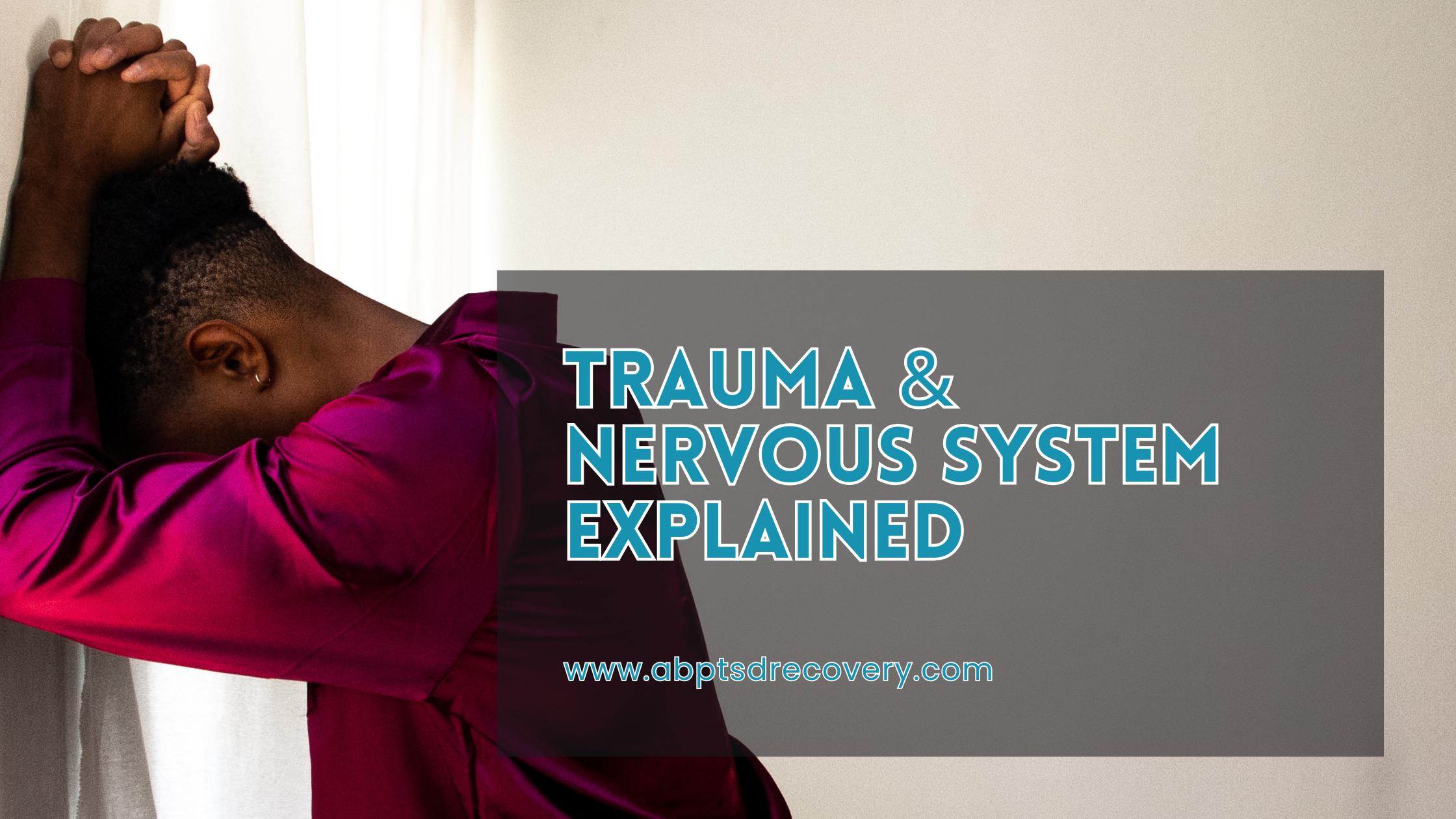
Many people believe trauma is something that lives only in the mind. In reality, trauma lives in the nervous system. This is why you can logically know you are safe and still feel anxious, overwhelmed, numb, or constantly on edge.
Understanding how trauma affects the nervous system can bring relief. These responses are not personal failures or weaknesses. They are adaptive survival responses from a system that learned to protect you during overwhelming experiences.
How the Nervous System Responds to Trauma
The nervous system is designed to keep you safe. When it detects danger, it activates survival responses such as fight, flight, freeze, or shutdown.
During trauma, these responses are necessary. The body releases stress hormones, attention narrows, and energy is mobilized to survive. The problem arises when the nervous system does not receive the signal that the threat has passed.
When this happens, the body continues responding as if danger is still present, even in safe environments.
Survival Mode and PTSD
For individuals with PTSD or complex trauma, survival mode can become the default state.
This may show up as:
- Constant anxiety or hypervigilance
- Difficulty relaxing or sleeping
- Emotional numbness or detachment
- Irritability or sudden emotional reactions
- Feeling exhausted or burned out
These symptoms are not signs that something is wrong with you. They are signs that your nervous system learned to stay alert to keep you safe.
Why Trauma Feels Like It Is Happening Now
One of the most confusing aspects of trauma is how real it feels in the present. This happens because trauma memories are often stored differently than ordinary memories.
Instead of being stored as past events, trauma memories can be stored as body sensations, emotions, and reflexive responses. When triggered, the nervous system reacts as if the trauma is occurring again.
This is why reminders that seem small or unrelated can lead to intense reactions. The nervous system responds first, before logic has a chance to intervene.
Regulation Versus Control
Healing trauma is not about controlling symptoms or forcing yourself to calm down. It is about regulation.
Regulation means helping the nervous system experience safety again. This happens gradually through consistent, supportive experiences that signal the body it no longer needs to stay on high alert.
Trauma informed therapy focuses on:
- Creating a sense of safety
- Building awareness of body responses
- Developing grounding and regulation skills
- Processing trauma at a pace that feels manageable
How Trauma Informed Therapy Helps
Trauma informed therapy works with the nervous system rather than against it. Approaches such as EMDR, somatic work, and grounding practices help the brain and body reprocess past experiences without overwhelming the system.
As regulation improves, many people notice:
- Reduced anxiety and reactivity
- Improved sleep
- Increased emotional range
- Greater sense of presence and connection
Healing does not mean erasing the past. It means the nervous system learns that the danger is over.
Meet Dr. Candace Hamilton, Psy. D
 Dr. Candace Hamilton is a Trauma Therapist and EMDR Consultant at The Integrative Trauma and PTSD Recovery Centre. Her work focuses on PTSD, complex trauma, nervous system regulation, and EMDR therapy. Candace brings a compassionate and grounded approach that prioritizes safety, pacing, and deep nervous system healing.
If you are curious about EMDR therapy or wondering whether it is right for you, support is available.
You can book a free 15 minute consultation with The Integrative Trauma and PTSD Recovery Centre to explore client consultations, therapist consultations, or group consultation options.
Schedule a free 15-minute consultation
About The Integrative Trauma and PTSD Recovery Centre
The Integrative Trauma and PTSD Recovery Centre is a trauma focused psychology practice specializing in PTSD, complex trauma, and EMDR therapy. We also provide training and consultation for clinicians. Our work is grounded in compassion, safety, and nervous system informed care.
👉 Learn More About Our Services and Approach Here
Internal Resources